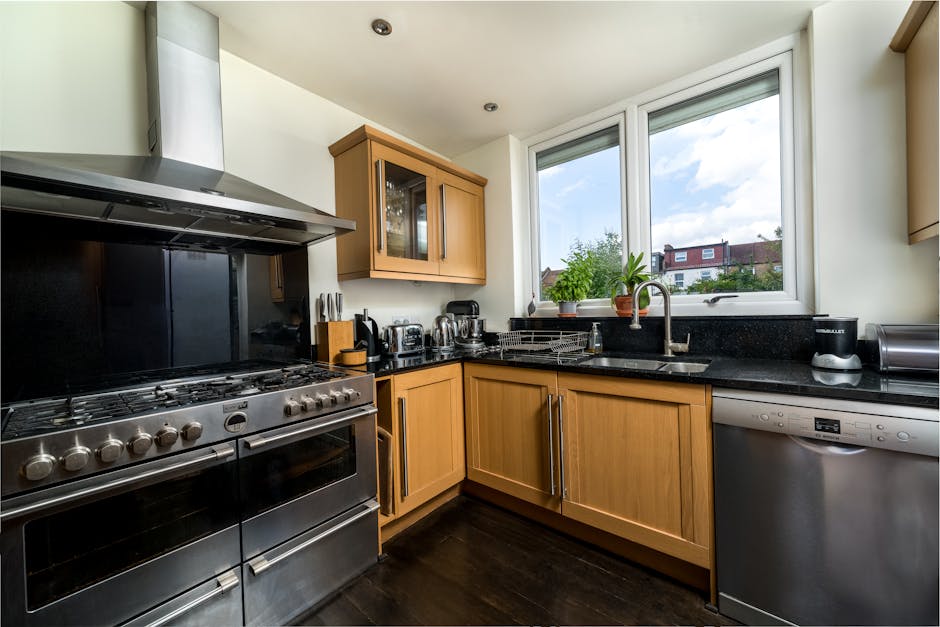
Cheam SM2 end of tenancy cleaning checklist for Sutton flats
If you are moving out of a flat in Cheam SM2 or anywhere in Sutton, end of tenancy cleaning can feel oddly bigger than the move itself. Boxes everywhere, keys due back, sockets that suddenly look dusty, a bathroom you swear was fine last week... and then there is the checkout inspection. This guide to the Cheam SM2 end of tenancy cleaning checklist for Sutton flats breaks the job down into clear, manageable steps so you know what to clean, what landlords usually look for, and where people commonly go wrong. Truth be told, a good checklist saves time, stress, and a few awkward messages later.
Below, you will find a room-by-room approach, a practical checklist, common mistakes, and a sensible comparison of cleaning methods. If you are deciding whether to do it yourself or book help, this will give you a proper footing. And yes, we will keep it grounded in real flat-living reality, not fantasy-level perfection.
Table of Contents
- Why Cheam SM2 end of tenancy cleaning checklist for Sutton flats Matters
- How Cheam SM2 end of tenancy cleaning checklist for Sutton flats Works
- Key Benefits and Practical Advantages
- Who This Is For and When It Makes Sense
- Step-by-Step Guidance
- Expert Tips for Better Results
- Common Mistakes to Avoid
- Tools, Resources and Recommendations
- Law, Compliance, Standards, or Best Practice
- Options, Methods, or Comparison Table
- Case Study or Real-World Example
- Practical Checklist
- Conclusion
- Frequently Asked Questions
Why Cheam SM2 end of tenancy cleaning checklist for Sutton flats Matters
End of tenancy cleaning is not just about making a flat look nice. It is about returning the property in a condition that matches the tenancy agreement, the inventory, and the normal wear-and-tear expectations that come with renting in the UK. In Sutton flats, that often means paying close attention to kitchens, bathrooms, skirting boards, limescale, window frames, and any marks that stand out under bright daylight during inspection.
A structured checklist matters because flat layouts tend to hide grime in awkward places. A small kitchen can still collect grease above the hob. A bathroom can look acceptable at first glance but fail inspection because of limescale around taps or soap residue in grout lines. You know how it goes. The room looks clean until you crouch down and see the base of the toilet or the top of the extractor fan.
For tenants, the main benefit is control. Instead of guessing what "clean" means, you have a practical standard to work toward. For landlords and letting agents, a clear cleaning process reduces disputes and makes handover smoother. That alone can be worth its weight in time saved.
Expert summary: The best move-out clean is not the fanciest one; it is the one that is systematic, documented, and focused on the areas that inspections usually reveal first.
In Cheam and the wider Sutton area, many flats are lived in hard and moved out of quickly. That is normal. The trick is not aiming for showroom perfection. The trick is cleaning in a way that removes the obvious, the overlooked, and the slightly embarrassing bits before anyone else spots them.
How Cheam SM2 end of tenancy cleaning checklist for Sutton flats Works
The process works best when you treat the flat as a sequence of zones rather than one big job. Start with the highest and driest areas, then move to greasy, wet, and heavily used surfaces. That order avoids re-cleaning. No point wiping a skirting board only to fling dust back onto it from a shelf above. Happens all the time.
A proper end of tenancy cleaning checklist usually covers the entire property, including:
- living room and bedrooms
- kitchen appliances and cabinet interiors
- bathroom fixtures and fittings
- hallways, storage cupboards, and built-in wardrobes
- windows, sills, frames, and reachable glass
- floors, carpets, rugs, and hard flooring
- doors, handles, light switches, and plug sockets where safe to wipe
Most people also forget the "hidden" details: tops of doors, extractor fans, behind radiators, under beds, and inside the fridge freezer. Those little places are often what make a flat feel genuinely clean rather than merely tidied.
If you are booking separate services, a move-out clean may be paired with carpet cleaning, oven cleaning, or window cleaning depending on the property and the tenancy agreement. That can be useful when the flooring, kitchen, or glazing has seen a lot of daily use.
Key Benefits and Practical Advantages
A detailed checklist does more than help you clean. It reduces last-minute panic and makes the job feel achievable. That sounds simple, but on moving day, simple is a gift.
- Better inspection outcomes: You are less likely to miss obvious marks, grease, or limescale.
- Faster cleaning: A room-by-room plan stops you wandering around with a cloth, wondering what to do next.
- Less argument: Clear standards help if there is any disagreement over condition.
- Better use of time: You can prioritise the areas that matter most in a flat.
- More confidence on handover day: You are not hoping it looks okay; you know what has been done.
There is also a small but real emotional benefit. Once the cleaning is under control, the move feels lighter. You can focus on the next place, the next key handover, the next chapter. A flat can hold a surprising amount of stress, especially if the last week has been a blur of packing tape and takeaway dinners.
For tenants who want a professional finish without doing every step themselves, a specialist end-of-tenancy service can bring consistency. For tenants who want to do it in-house, the checklist creates a realistic standard rather than an impossible one.
Who This Is For and When It Makes Sense
This guide is useful for a few different people. You may be a renter leaving a studio in Cheam, a one-bed in Sutton, or a larger flat in a converted house. You might be a student, a professional tenant, or a family trying to hand the property back between school runs and moving vans. The same basic logic applies.
It makes sense to use this checklist when:
- your tenancy is ending and you need to meet the checkout standard
- you want to reduce the risk of cleaning-related deductions
- the property has not been professionally cleaned recently
- you are sharing a flat and need a clear division of tasks
- you are short on time and need to clean efficiently
- you want to compare DIY cleaning with a professional option
It also makes sense if you are preparing a flat for a new occupant and want a sensible route from "lived in" to "ready for handover." If the property includes tricky items like carpets, upholstery, or a well-used oven, you may find it helpful to combine general cleaning with deep cleaning, upholstery cleaning, or mattress cleaning where appropriate.
Let's face it: not every tenancy is the same. A lightly used flat near Cheam Village is not the same as a busy family home or a shared rental with years of build-up. The checklist should flex to the property, not the other way around.
Step-by-Step Guidance
Here is the practical method. Keep it steady, and do not bounce around from room to room unless you have to. There is a rhythm to a good end of tenancy clean.
1. Read the tenancy notes first
Before you clean, check your tenancy agreement, inventory, check-in report, and any email instructions from the landlord or letting agent. Some properties expect professional cleaning for certain items. Others simply want the flat returned in the same condition it was received, allowing for fair wear and tear.
2. Declutter and remove all belongings
Cleaning is far easier when shelves, cupboards, drawers, and surfaces are empty. That includes food from the fridge, toiletries, cables, forgotten coat hangers, and the infamous one sock that appears behind the radiator at the worst possible time.
3. Work top to bottom
Start high: cobwebs, tops of cabinets, curtain rails, shelves, picture ledges. Then move down to surfaces, fixtures, and finally floors. This stops dust falling onto areas you have already cleaned.
4. Tackle the kitchen thoroughly
The kitchen is usually the main inspection hotspot. Clean inside and outside of cupboards, wipe appliance exteriors, degrease the hob and extractor, clean the sink, descale taps, and do not forget the bin area. If the oven is heavily soiled, use a proper oven cleaner or consider a specialist service. A greasy oven is one of those jobs that can eat a whole afternoon, and your patience, if you let it.
5. Clean the bathroom with detail
Remove limescale from taps, shower screens, tiles, and the toilet base. Wipe the extractor fan cover if reachable. Clean mirrors, shelves, sealant edges, and the floor behind the toilet if accessible. Small bathrooms in Sutton flats tend to show water marks very quickly, especially around chrome fittings.
6. Finish living rooms and bedrooms
Dust skirting boards, light switches, sockets where safe, doors, handles, wardrobes, shelves, and windowsills. Vacuum carpets and under movable furniture. If the property has hard floors, use the right cleaner for the surface rather than a one-size-fits-all approach.
7. Check entry areas and storage spaces
Hallways, utility cupboards, built-in storage, and airing cupboards are often overlooked. These spots may not seem important, but they can make a difference to the overall impression.
8. Inspect in daylight if possible
Natural daylight reveals streaks, dust, and missed marks better than overhead lighting. If you can, do a final walk-through in daylight before handover. It is a small thing, but it catches a lot.
9. Document the condition
Take clear photos after cleaning. Keep them tidy and factual. If there is any dispute later, those pictures can help show the property was left in a fair state.
Expert Tips for Better Results
A few practical habits can make the whole process much easier. These are the things that save time without making the clean feel rushed.
- Use the right cloth for the right task. Microfibre is excellent for dust and general wiping, while a non-scratch pad helps with kitchen residue.
- Work from dry to wet cleaning. Dust first, then wipe, then deep clean if needed.
- Leave cleaning sprays time to work. A minute or two can do more than frantic scrubbing.
- Open windows where possible. Fresh air helps with drying and with that heavy cleaning-product smell.
- Pay attention to touch points. Handles, switches, and rails often gather more grime than people realise.
- Do the fridge and freezer early if defrosting is needed. That one catches people out all the time.
If you are cleaning in winter, drying time matters more. Damp patches can linger on window tracks and bathroom seals, so give those areas time rather than rushing the final photos. A room can look clean but still feel a bit off if it is still wet and chilly.
Another useful tip: bring a small bag for rubbish and a separate bag for items to donate or keep. It sounds basic, but it stops the move turning into a pile of indecision by the front door.
Common Mistakes to Avoid
Most cleaning problems in end of tenancy situations come from either rushing or assuming the place is already good enough. Usually both. Here are the big ones.
- Ignoring the inventory standard: If the check-in report shows a clean oven, your move-out one should not be left patchy.
- Cleaning around furniture instead of moving it: Dust and debris often sit underneath or behind items.
- Forgetting inside cupboards: Empty does not mean clean.
- Using the wrong product on surfaces: Some materials scratch or dull easily.
- Leaving limescale too late: Once it builds up, it takes longer to remove.
- Missing the final inspection pass: This is where streaks, hair, and tiny crumbs show up.
One quiet mistake is underestimating how long the job takes. A one-bed flat can still take a full day if it needs a deep clean, especially if the kitchen and bathroom are heavily used. People often think, "I'll do that in a couple of hours after work." Then the clock moves. Fast.
Another issue is over-cleaning one area and neglecting another. A sparkling sink does not cancel out dusty skirting boards. Balance matters more than perfection in one corner.
Tools, Resources and Recommendations
You do not need a huge kit, but having the right basics makes the job much smoother. For most flats, a sensible end of tenancy cleaning kit includes:
- microfibre cloths
- an all-purpose cleaner
- a degreaser for kitchen surfaces
- bathroom limescale remover
- glass cleaner
- rubber gloves
- vacuum cleaner with attachments
- mop and bucket
- non-scratch pads
- bin bags
Depending on the property, you may also want specialist help for steam carpet cleaning, rug cleaning, sofa cleaning, or pet stain and odour removal. Those services are especially useful where soft furnishings have visible marks or lingering smells that ordinary vacuuming will not remove.
For general property upkeep, some tenants also use one-off cleaning before moving out, which can be a good middle ground if the flat needs a reset but not a full specialist intervention. If the move-out is happening after a long tenancy, combining a clean with regular cleaning habits in the final weeks can make the last day much less painful.
If you are dealing with a larger or more neglected property, the services behind move-out cleaning and end of tenancy cleaning are closely aligned with what most Sutton flat tenants need. The main difference is how much is done for you versus how much you handle yourself.
Law, Compliance, Standards, or Best Practice
End of tenancy cleaning sits in a practical zone rather than a highly regulated one, but that does not mean standards do not matter. In the UK, the usual expectation is that a rental property should be returned in the condition agreed in the tenancy documents, allowing for fair wear and tear. That phrase matters. Fair wear and tear is normal ageing from ordinary use, not damage or avoidable dirt.
The safest approach is to rely on the tenancy agreement, the inventory, and any move-in photos. Those documents usually matter more than assumptions about what "should" be acceptable. If the landlord asked for professional cleaning, that requirement should be checked carefully, especially where carpets, ovens, or upholstery are specifically mentioned.
From a best-practice perspective, good cleaning standards should be:
- consistent: every room receives the same level of attention
- safe: products are used properly and ventilated
- documented: photos and receipts are kept if relevant
- reasonable: the property is cleaned to an inspection-ready standard, not treated like a museum
It is also sensible to handle cleaning equipment, chemicals, and electrical items carefully. For example, do not wet electrical fittings, and do not mix cleaning products unless the label clearly says it is safe. Boring advice, yes. But the useful kind.
If you hire a service, check practical things such as insurance and safety information, clear pricing, and terms and conditions. Those details help set expectations and reduce surprises. For broader company information, the pages on insurance and safety, payment and security, and terms and conditions can be useful reference points.
Options, Methods, or Comparison Table
Choosing how to handle an end of tenancy clean often comes down to time, condition, and confidence. Here is a simple comparison that may help.
| Method | Best for | Strengths | Drawbacks |
|---|---|---|---|
| DIY checklist clean | Light to moderate cleaning needs | Lower cost, full control, flexible timing | Takes time, easy to miss detail, tiring on moving day |
| Hybrid approach | Flats with a few difficult jobs | Good balance of effort and quality, helpful for ovens/carpets | Requires coordination and some planning |
| Professional end of tenancy clean | Busy move-outs or heavy cleaning needs | More thorough, faster for the tenant, helpful for tricky areas | Higher cost than DIY, must choose a trustworthy provider |
In practice, many tenants use a hybrid approach. They handle the general clean themselves, then bring in help for the hardest tasks like ovens, carpet stain removal, or high-traffic upholstery. That can be a smart way to spend money without paying for a bigger service than you need.
If you are comparing cleaning support with other property services, pages like domestic cleaning, house cleaning, and move-in cleaning can also help clarify the difference between ongoing upkeep and a one-off handover clean.
Case Study or Real-World Example
A typical Sutton flat move-out might look like this. A tenant in a two-bed apartment in Cheam SM2 gives notice for the end of the month. The flat has been well lived in: a bit of kettle limescale, some dust on wardrobe tops, kitchen grease near the hob, and carpet traffic marks in the hallway. Nothing dramatic, just ordinary life.
Instead of cleaning randomly, the tenant uses a checklist over two evenings and one Saturday morning. First, everything is packed and rubbish removed. Then the kitchen is tackled early, with the oven and extractor given the longest soak time. The bathroom follows, then bedrooms, then the lounge and hallway. Carpet spots are treated last, and the final walk-through happens in daylight with the curtains open. Nice and calm, really.
The result is not a "newly renovated" flat. It is a clean, consistent one. Cupboards are empty and wiped, taps are shiny, the fridge no longer has that slightly mysterious smell, and the floors look cared for. That level of finish is usually what moves the conversation away from cleaning and back toward normal handover.
The lesson is straightforward: a structured approach beats a last-minute rush. Every time.
Practical Checklist
Use this as your final walk-through before you hand the keys back. If possible, print it or copy it into your phone and tick things off as you go.
- Remove all personal belongings and rubbish
- Empty and wipe cupboards, drawers, and wardrobes
- Clean inside and outside of the fridge and freezer
- Defrost freezer if required and dry properly
- Clean oven, hob, extractor, and splashback
- Wipe all worktops and kitchen surfaces
- Clean sink, taps, and drains area
- Scrub bathroom tiles, shower screen, bath, toilet, and basin
- Remove limescale from taps and fittings
- Dust shelves, skirting boards, doors, frames, and ledges
- Wipe light switches, handles, and reachable sockets safely
- Vacuum carpets and mop hard floors
- Spot clean marks on walls where appropriate and safe to do so
- Clean mirrors, windowsills, and reachable internal glass
- Check behind doors, under beds, and in corners
- Clean bins inside and out
- Air the flat and allow surfaces to dry
- Take photos of every room after cleaning
- Compare the final state with the inventory or check-in photos
- Do one last daylight inspection before leaving
If you want a quick mental shortcut, ask yourself: would this room look clean to someone seeing it for the first time? If the answer is hesitant, there is usually one more thing to wipe, vacuum, or polish.
Conclusion
A good Cheam SM2 end of tenancy cleaning checklist for Sutton flats keeps the move-out process under control. It gives you a practical route through the property, helps you focus on the areas that matter most, and reduces the chance of missing the details that often trigger disputes. For most tenants, the real win is simple: less stress, less second-guessing, and a cleaner handover.
Whether you clean everything yourself or combine your own effort with specialist support for carpets, ovens, or upholstery, the key is to stay methodical. Start early if you can, work room by room, and give yourself time for a proper final inspection. It is a small discipline, but it makes a big difference on the day.
Get a free quote today and see how much you can save.
And if you are standing in an empty flat at the end of a long day, looking at one last dusty skirting board, take a breath. You are nearly there.
Frequently Asked Questions
What should be included in an end of tenancy cleaning checklist for a Sutton flat?
It should cover every room, including the kitchen, bathroom, bedrooms, living areas, hallways, cupboards, skirting boards, windowsills, floors, and appliances. The best checklists also include smaller details such as light switches, handles, and inside storage spaces.
How clean does a flat need to be at the end of a tenancy?
In general, it should be returned in the condition expected by the tenancy agreement and inventory, allowing for fair wear and tear. That usually means clean, tidy, and free from avoidable dirt, stains, grease, and limescale.
Is professional end of tenancy cleaning required in Cheam SM2?
Not always. Some tenancy agreements do request professional cleaning, while others simply require the property to be left in good condition. Always check your tenancy documents first so you know what has been agreed.
How long does end of tenancy cleaning usually take for a flat?
It depends on the size and condition of the property. A lightly used one-bed flat may be manageable in a few hours, while a larger or heavily used flat can take much longer. If carpets, ovens, or bathrooms need deep work, allow extra time.
What are the most commonly missed areas?
People often miss the tops of doors, behind radiators, inside cupboards, extractor fans, window tracks, and the space under beds or sofas. Those little hidden spots are exactly where dust likes to hide, annoyingly enough.
Can I do the clean myself and still pass the inspection?
Yes, if you follow a proper checklist and clean thoroughly. DIY is often perfectly fine for well-kept flats. The key is being systematic and not leaving the hard jobs until the last hour.
Should I clean carpets separately?
If the carpets are stained, dull, or heavily trafficked, separate carpet cleaning can help. It is especially useful when a vacuum alone will not lift marks or odours. For some flats, this makes a noticeable difference at checkout.
What happens if the landlord says the flat is not clean enough?
The first step is to review the tenancy agreement, inventory, and any photos taken at move-out. If there is a disagreement, clear records help. Sometimes the issue is minor and can be resolved quickly; sometimes it becomes a deduction discussion.
How far in advance should I start cleaning before moving out?
Ideally, start before the final moving day if you can. Even one or two tasks completed early, such as fridge defrosting or cupboard cleaning, can make the final day far less stressful.
What is the difference between end of tenancy cleaning and regular cleaning?
Regular cleaning keeps a property tidy on an ongoing basis. End of tenancy cleaning is more detailed and focuses on returning the flat to a handover-ready condition, including harder-to-reach places and deeper grime.
Do I need to keep proof that the flat was cleaned?
Yes, if possible. Photos after cleaning are very useful, and receipts from any professional services can help too. They provide simple evidence if questions come up later.
What if I have pets or strong cooking smells in the flat?
That usually means you should pay extra attention to soft furnishings, carpets, and kitchen areas. In some cases, specialist odour removal or upholstery work is worth considering, especially if the smell has settled in over time.
Can end of tenancy cleaning include move-out and move-in preparation?
Absolutely. Many tenants use the same process to leave one property clean and to make the next move-in easier. The habits overlap a lot, even if the timing and pressure feel very different.