Recycling and Sustainability at Carpetcleaning Sutton
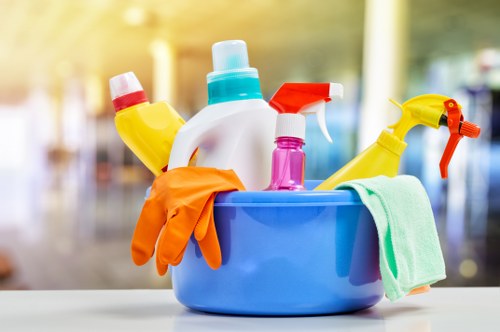 At Carpetcleaning Sutton, sustainability is not treated as an add-on; it is built into everyday cleaning operations. From how waste is sorted after a job to how vehicles are maintained on the road, the aim is to reduce landfill impact and support a cleaner local environment. Our Carpetcleaning Sutton recycling approach focuses on practical steps that can be measured, improved, and repeated. We have set a clear recycling percentage target of 90% for non-hazardous operational waste, with progress reviewed regularly so that materials are recovered wherever possible rather than discarded.
This commitment starts with a careful separation of materials. Textile scraps, cardboard packaging, plastic wrapping, used bottles, and general debris are all handled differently so that recyclable content is not mixed with residual waste. In a borough setting where collection rules can differ slightly from one area to another, that attention to separation matters. Across Sutton and nearby boroughs, local waste systems often encourage residents and businesses to split dry mixed recycling from food waste and refuse, and we align our practices with that borough-level waste separation culture.
 The result is a more responsible version of carpet cleaning in Sutton, one that respects the local environment and makes better use of available recycling routes. Even small changes, such as reusing boxes for supplies or sorting refill containers before disposal, contribute to a wider reduction in waste. Our team also tracks common materials created during cleaning visits so we can improve recovery rates over time and support a cleaner footprint across the service area.
To keep recyclable waste moving efficiently, we use local transfer stations and approved waste facilities that serve the wider south London area. These facilities help divert suitable items away from landfill and into appropriate processing streams. When materials from carpet maintenance jobs can be recovered, they are directed to the right channels, helping the whole process remain both practical and environmentally considered. This is especially important where bulky packaging, damaged tools, and mixed operational items need careful handling.
Our recycling process is also shaped by the local infrastructure available to households and businesses in the borough. Sutton’s approach to waste management has increasingly emphasised sorting and recovery, including the separation of dry recycling, garden waste, and residual rubbish. We mirror that mindset internally by ensuring our own disposal practices are consistent with local expectations. In areas where household recycling rates are closely monitored, it makes sense for a service provider to do its part as well.
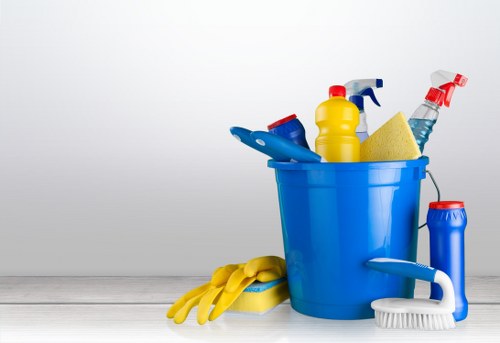 A major part of our environmental plan is partnerships with charities. Usable items such as surplus towels, safe packaging materials, and serviceable equipment components are directed toward community organisations whenever suitable. These partnerships help extend the life of items that might otherwise be thrown away. By working with charities, Carpetcleaning Sutton supports reuse as well as recycling, which is often the most sustainable outcome when items remain in good condition. It is a simple idea, but one that can have a meaningful local effect.
Low-Carbon Operations and Cleaner Transport
Transport is one of the most important areas for reducing carbon emissions in a cleaning business. That is why our fleet includes low-carbon vans designed to limit fuel use and improve efficiency on local journeys. These vans are selected for their reduced emissions profile, lower idle impact, and suitability for city and suburban routes. In a service area that includes residential streets, schools, business premises, and communal buildings, efficient transport is a practical way to cut down on unnecessary pollution.
We also plan routes carefully to reduce mileage. Fewer repeated journeys mean lower fuel consumption and fewer emissions overall. This routing approach supports our Carpetcleaning Sutton sustainability strategy by linking operational efficiency with environmental responsibility. For jobs that can be grouped geographically, we schedule them in a way that reduces back-and-forth travel, which helps the vans stay productive while keeping our carbon output lower.
Inside the business, recycling is supported by daily habits as well as formal procedures. Office paper, printer cartridges, used containers, and repairable accessories are all kept separate from general waste where possible. Staff are encouraged to check disposal streams before throwing anything away, because the right destination for an item is often different from what first appears. This habit reflects the broader recycling culture seen across local boroughs, where waste separation, reuse, and composting are increasingly normal parts of everyday life.
 Our commitment to sustainability also includes equipment choices that reduce waste over time. Durable tools last longer, require fewer replacements, and create less discard pressure than low-quality alternatives. We favour washable, reusable cleaning accessories where safe and practical, helping to cut down on single-use items. This supports the broader recycling in Sutton effort by reducing the volume of waste entering the system in the first place.
We also look at the full lifecycle of materials. If an item can be repaired, reused, repurposed, or handed on through a charity partnership, that option is considered before disposal. Only when there is no realistic reuse route do we move it into the relevant waste stream. This approach is especially useful in an area where residents are increasingly familiar with separating glass, metal, paper, and food waste at source, because it reinforces the same environmental logic through business operations.
 By combining a 90% recycling target, responsible transfer station use, charity partnerships, and low-carbon vans, Carpetcleaning Sutton aims to deliver a service that is cleaner in every sense. The goal is not only spotless carpets, but also a lower-impact way of working that fits the expectations of a greener borough. As recycling systems across the area continue to develop, our own practices will keep evolving so that sustainability remains central to everything we do.