St Helier estate upholstery cleaning experts in Sutton
If your sofa has started to look tired, your armchair carries that faint lived-in smell, or the dining chairs at home are holding on to old spill marks, you are not alone. Upholstery ages quietly. One day it just feels a bit dull, then suddenly every mark seems to catch the light. That is where St Helier estate upholstery cleaning experts in Sutton can make a proper difference. Done well, upholstery cleaning restores comfort, improves appearance, and helps your furniture last longer without that harsh over-cleaned look people sometimes worry about.
In this guide, you will find a clear explanation of how professional upholstery cleaning works, why it matters in a busy local area like St Helier estate, what results to expect, and how to choose a service that treats your furniture with care. There is also a practical checklist, a comparison table, and answers to the questions people usually ask before they book. Nothing fluffy. Just the useful stuff.
Why St Helier estate upholstery cleaning experts in Sutton Matters
Upholstery does more than look nice. It affects how your home feels day to day. A clean sofa makes a room feel brighter, less stuffy, and more looked after. A grubby one can make the whole space feel a bit off, even if everything else is tidy. That is especially true in family homes, rental properties, and busy flats where furniture gets used constantly.
St Helier estate has the kind of real-life wear and tear that upholstery cleaning is built for. Think of school bags dropped on a fabric sofa, pets curling up on armchairs, takeaway spills, or the general mix of dust and everyday grime that settles into soft furnishings. You may not notice it immediately, but it builds up. Fabric traps particles, and some stains sink deeper over time, which makes them harder to shift later.
There is also the simple matter of furniture value. Replacing a good sofa or set of dining chairs is expensive. Professional cleaning is often the more sensible first move, especially when the frame and fabric are still in decent condition. To be fair, people sometimes wait far too long and then assume the item is beyond saving. Often it is not.
For homes in Sutton, a reliable local service matters because fabrics vary so much. Velvet, wool blends, microfibre, synthetic weave, leather accents, delicate trim, buttoning, piping, all of it needs the right approach. A genuine upholstery cleaning expert should look at the material first, not just reach for a machine and hope for the best. That calm, careful assessment is half the job.
How St Helier estate upholstery cleaning experts in Sutton Works
Professional upholstery cleaning is usually a process, not a single blast of detergent. The exact method depends on the fabric type, the furniture condition, and the stains involved. Good cleaners normally start with inspection, then testing, then targeted treatment. That sounds simple, but it is the reason proper results are so much better than a random DIY attempt.
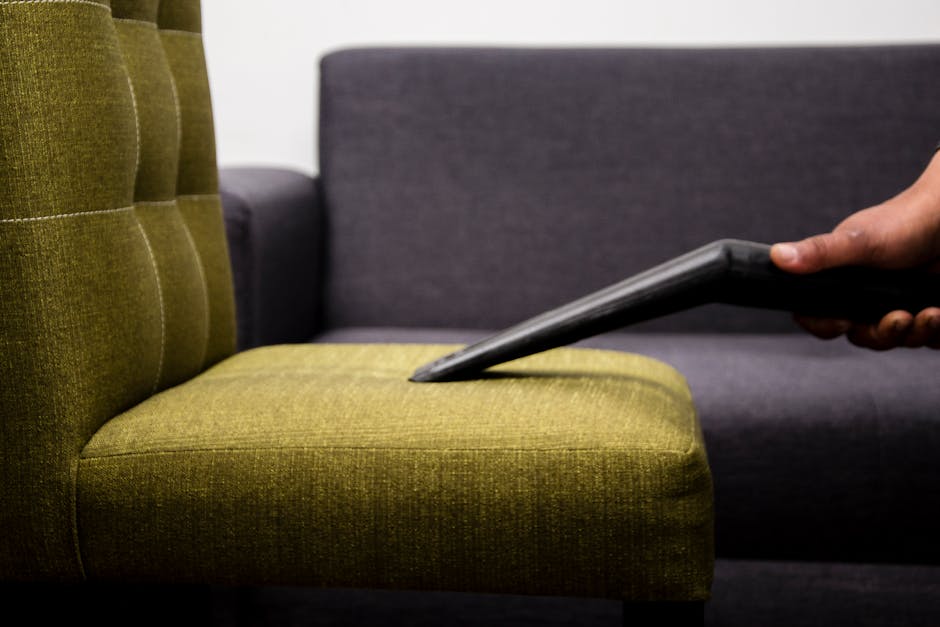
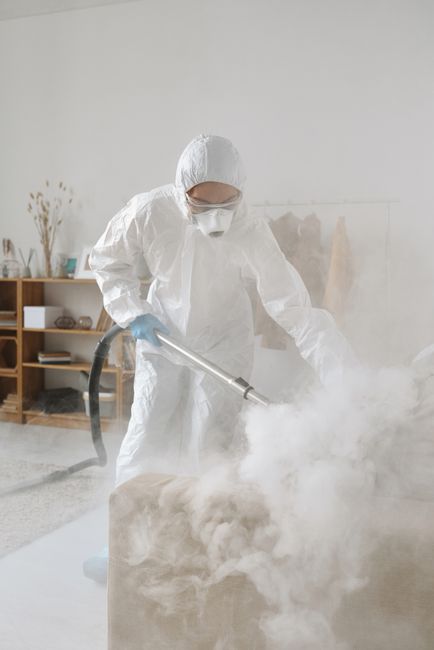
A typical visit may include vacuuming to remove loose dust, pre-treatment of marked areas, gentle agitation where appropriate, and extraction or controlled moisture cleaning. Some fabrics can handle steam-based methods; others need lower-moisture techniques. The point is not to soak the furniture. In fact, over-wetting is one of the quickest ways to cause longer drying times and lingering odours. Nobody wants that damp-sofa smell hanging around by Tuesday morning.
Where suitable, cleaners may also work on pet marks, food stains, drink spills, and traffic grime on the fabric arms or headrests. The tricky bit is matching the chemistry to the stain and the material. Fresh protein-based marks, for instance, are handled differently from old oil-based contamination or dyed spills. That is why an experienced cleaner can usually spot what will respond well and what needs a more cautious approach.
Drying matters too. In a well-run clean, furniture should be left in a condition that can air properly, with ventilation encouraged. You may be advised to avoid immediate heavy use, open a window if weather allows, or keep cushions separated while drying. Small things, but they help.
For many households, upholstery care fits naturally alongside other cleaning services. If you are already planning a bigger refresh, it can make sense to look at deep cleaning support or pair the job with sofa cleaning and even pet stain and odour removal if pets are part of the picture. The right combination depends on what the furniture has actually been through, which is the honest answer.
Key Benefits and Practical Advantages
There are some obvious benefits and a few that people only notice after the clean has happened. The visible improvement is the headline, sure, but there is more to it than that.
- Improved appearance: Colours look fresher, marks soften, and fabric often regains some of its original feel.
- Better hygiene: Dust, general dirt, and residues from spills are reduced, which helps the room feel cleaner overall.
- Odour reduction: Upholstery can hold smells from pets, food, smoke, and day-to-day living. Cleaning helps address that.
- Longer furniture life: Removing embedded grit and residues can reduce premature wear.
- Better comfort: A clean fabric surface feels more pleasant, especially on frequently used seats and arms.
- Property presentation: Very useful before letting, selling, hosting, or simply having people over and wanting the place to look cared for.
There is also a practical value people miss: cleaning can help you make better decisions about whether to repair, reupholster, or replace an item. Once the dirt is removed, the true condition becomes much easier to judge. That can save money. Or at least stop you buying new furniture too early, which happens more often than people admit.
In homes where the furniture sees daily use, regular maintenance is usually more cost-effective than sporadic rescue cleaning. A little attention now and then tends to beat one desperate panic clean after a spillage has been sitting there for months. Not glamorous, but true.
Who This Is For and When It Makes Sense
Upholstery cleaning is not only for badly stained sofas. It is useful for a wide range of people, and the right timing depends on your living situation and priorities.
You may benefit from professional cleaning if you are:
- a homeowner wanting the living room to feel fresher without replacing furniture
- a tenant preparing to move and wanting the property to present well
- a landlord or agent checking that fabric furnishings look cared for between occupancies
- a parent dealing with everyday spillages, crumbs, and sticky hands
- a pet owner managing fur, odours, and the occasional accident
- a business owner with soft seating in a waiting area or office lounge
- someone preparing for guests, photos, or a special event at home
The timing makes sense when the upholstery looks dull, smells stale, or simply no longer feels fresh to use. You do not need to wait for a dramatic stain. Sometimes the cue is more subtle: a sofa that looks fine from a distance but feels slightly grimy when you sit down on it. That is usually the moment people say, "Right, it's time."
For commercial or shared settings, the same logic applies but the stakes are a bit different. Reception seating, communal lounge furniture, and office armchairs are public-facing. A tired stain or bad smell is more noticeable because many people pass through the space. If that sounds familiar, you may also find value in commercial cleaning support or office cleaning alongside upholstery care.
Step-by-Step Guidance
If you want the best outcome, a little preparation helps. You do not need to do anything technical. Just set the scene properly and let the expert do the detailed work.
- Identify the furniture pieces. Note the sofa, chairs, footstools, or benches you want cleaned. Be clear about which areas are most used.
- Check the fabric type if you can. If there is a care label, keep it handy. If not, no drama, just say what you know about the material and any previous cleaning.
- Highlight stains and odours. Point out the spots that matter most, even if they look small. Sometimes the visible stain is not the full story.
- Remove clutter and loose items. Cushions, blankets, and ornaments around the furniture make access slower. A quick clear-up helps.
- Discuss expectations. Ask what the method will be, what drying may feel like, and whether any marks are likely to remain.
- Allow proper drying time. Keep the room ventilated and avoid sitting on the furniture too soon if you can help it.
- Review the result once dry. Some improvement is immediate, but fabric often looks its best only after fully drying.
If there is one thing to remember, it is this: stain removal and upholstery cleaning are related, but they are not identical. A cleaner may use targeted stain removal treatment as part of the job, yet the overall clean is still about the whole textile surface. That broader approach is what keeps results even and avoids patchy-looking areas.
For delicate homes or newly decorated spaces, some people prefer to schedule the clean after other work is finished. That makes sense. If builders have recently been in, a service like after builders cleaning can help the rest of the property settle before soft furnishings are tackled.
Expert Tips for Better Results
A few small habits can make a surprising difference to the final outcome and help keep your upholstery looking good for longer.
- Deal with spills early. Fresh marks are always easier than old ones. Blot gently; do not scrub like you are trying to erase the sofa from existence.
- Vacuum regularly. Loose grit acts like tiny sandpaper on fabric fibres. A quick vacuum along seams and cushions helps more than people expect.
- Rotate cushions. If cushions are reversible, swap them around so wear stays even.
- Use throws thoughtfully. Throws are great, but if they trap crumbs or moisture underneath, they can create a hidden mess.
- Be honest about previous treatments. If you have used a shop-bought spray or home remedy, say so. Residue from old products can affect the clean.
- Ask about fabric safety first. Velvet, mixed fibres, and antique pieces deserve a gentler touch.
One useful bit of real-world advice: if a room has been closed up for a while, open a window before and after cleaning. Even in a chilly Sutton morning, a bit of airflow helps fabrics dry more evenly and keeps the space from feeling heavy. It is a small thing, but it matters.
Experts will also look at the broader home environment. If the property has recurring dust or pet hair issues, combining upholstery cleaning with carpet cleaning or regular cleaning can make the whole home easier to maintain between visits.
Common Mistakes to Avoid
Upholstery is one of those things people often clean too aggressively. That is where problems begin.
- Scrubbing stains hard: This can spread the mark, roughen the fabric, or push the stain deeper.
- Using too much water: Over-wetting can cause long drying times, water rings, or lingering smells.
- Applying random products: A strong cleaner that works on one fabric may damage another. Always test first.
- Ignoring the care label: If a manufacturer says a textile needs specialist treatment, there is probably a reason.
- Trying to clean only the visible spot: This can leave a patchy finish. The whole panel or section often needs balancing.
- Using the furniture too soon: Sitting down before it is dry can flatten fibres and slow the process.
A less obvious mistake is booking purely on price. Cheapest is not always worst, of course, but if a quote feels oddly low, ask what is included. Does it cover inspection, stain treatment, drying guidance, and the specific furniture you have? Details matter. This is where a transparent service with clear pricing and quotes can save a lot of second-guessing.
And one more thing: do not assume every stain is removable. Good professionals are careful about setting realistic expectations. That honesty is a good sign, not a bad one.
Tools, Resources and Recommendations
For professional upholstery cleaning, the right tools are usually a mix of inspection, pre-treatment, controlled cleaning, and careful drying support. You do not need to know every machine model. What matters is whether the process is suitable for your furniture.
Useful things to have ready before a visit include:
- a clear view of the furniture from all sides
- access to the room without obstacles
- any care labels or manufacturer instructions
- a short list of stain types, such as food, drink, pet, makeup, or ink
- details of any previous DIY products used
For related fabric care, you may also find these services useful depending on what else needs attention in the property: rug cleaning for floor textiles, curtain cleaning for soft window dressings, and mattress cleaning if odours or hygiene concerns extend beyond the seating. A whole-home refresh can be sensible when fabrics all show the same kind of everyday build-up.
If you are managing a fuller property clean, maybe ahead of guests or after a long tenancy, it can also help to look at end of tenancy cleaning or house cleaning. Not every home needs that level of support, but some do, and there is no shame in making life easier.
Law, Compliance, Standards, or Best Practice
Upholstery cleaning is not usually a heavily regulated service in the way that some trades are, but good providers still work to sensible UK standards of care. That means using suitable products, respecting fabric instructions, taking reasonable precautions with water and electricity, and avoiding damage to the customer's property.
From a practical trust point of view, it is wise to choose a company that is clear about safety, insurance, payments, and complaints handling. That does not just protect the business. It protects you too. Services that publish clear policies, such as health and safety information, insurance and safety details, and terms and conditions, tend to be more transparent about what happens if something unexpected comes up.
If you are arranging work in a shared building or managed property, it is also sensible to think about access, tidiness, and noise. In communal settings, the cleaner should work neatly and with respect for neighbours and residents. That sort of common-sense professionalism is what people usually mean when they say they want a trustworthy local expert.
Data handling matters as well, even for something as ordinary as a cleaning booking. If you submit an enquiry, you should be able to understand how your information is used. A clear privacy policy helps with that, while secure payment information, such as payment and security guidance, gives a little extra peace of mind.
And yes, recycling and responsible product use matter too. Good practice is not just about results on the sofa. It is also about how waste, packaging, and chemicals are handled. That is why some customers value a provider that explains its recycling and sustainability approach in plain English.
Options, Methods, or Comparison Table
Different upholstery jobs call for different methods. Here is a simple comparison that helps you understand the usual options without getting buried in technical language.
| Method | Best for | Strengths | Watch-outs |
|---|---|---|---|
| Low-moisture upholstery cleaning | General fabric seating, routine refreshes | Quick drying, gentle on many fabrics | May be less effective on deep, set-in contamination |
| Hot water extraction | Durable fabrics with heavier soil | Deep cleaning, good for ingrained dirt | Needs careful moisture control and longer drying |
| Targeted stain treatment | Specific marks such as drinks or food spills | Focused approach for visible spots | Not a full clean on its own |
| Specialist delicate-fabric cleaning | Velvet, blends, antique or sensitive materials | More cautious, fabric-aware treatment | Slower, sometimes less dramatic at first glance |
There is no single best method for every sofa, which is the bit people sometimes wish there were. If a cleaner confidently says one process fits everything, that is probably too simplistic. A careful assessment is better. Usually, a proper upholstery cleaning service will match the method to the item rather than the other way round.
For homes with mixed soft furnishings, combining upholstery work with window cleaning can be surprisingly effective. Once the glass is clear and the furniture is fresh, the whole room just feels lighter. A bit like it can breathe again.
Case Study or Real-World Example
Here is a realistic local scenario. A family in St Helier estate has a three-seater fabric sofa in the living room and two dining chairs in regular use. Over time, the sofa arms have darkened from hands and sleeves, the middle seat looks flatter than the others, and there is a faint odour from repeated snack-time use. Nothing dramatic. Just enough to make the room feel a bit tired.
The first step is inspection. The cleaner checks the fabric type, notes the main wear areas, and tests a small hidden section. Next comes pre-treatment on the arms and the seat cushions, followed by a controlled clean across the whole upholstery surface. The dining chairs receive attention too, because leaving them untreated would make the room feel uneven. During drying, the family keeps the room ventilated and avoids sitting on the furniture straight away.
By the next day, the sofa looks brighter, the arm shading is reduced, and the room feels less heavy. The odour is much improved. Not magically new, because that is not realistic, but clearly fresher and more presentable. The family decides to repeat the clean seasonally and vacuum more regularly in between. Simple, sensible, and it works.
That is the real value of calling in experts: not perfection, just a strong, trustworthy improvement that makes daily life nicer.
Practical Checklist
Use this quick checklist before your appointment. It keeps things tidy and avoids those awkward "oh, we forgot that" moments.
- Identify every upholstered item you want cleaned
- Note the worst stains, smells, or wear areas
- Find any care labels or manufacturer notes
- Move small items away from the furniture
- Tell the cleaner about pets, children, or recent spills
- Mention any previous DIY products or spot treatments
- Ask about drying time and room ventilation
- Confirm what is included in the quote
- Check whether there are any fabric-specific limitations
- Plan for a bit of aftercare so the furniture can dry properly
Expert summary: The best upholstery cleaning is not the fastest or the loudest. It is the one that starts with the fabric, respects the material, and leaves your furniture cleaner without creating new problems. That is the standard worth aiming for.
Conclusion
Choosing St Helier estate upholstery cleaning experts in Sutton is really about more than removing marks. It is about restoring comfort, protecting good furniture, and making your home feel properly cared for again. Whether you are dealing with everyday wear, pet odours, a one-off spill, or furniture that has simply lost its spark, professional upholstery cleaning offers a practical, low-drama way forward.
The main thing is to choose a service that understands fabric types, explains the method clearly, and treats your home with respect. If you do that, the result is usually reassuringly simple: a cleaner room, fresher seating, and less of that nagging feeling that the sofa has seen better days. And let's face it, that feeling can be oddly satisfying to fix.
Get a free quote today and see how much you can save.
When your furniture feels fresh again, the whole room lifts a little. Small change, big difference.
Frequently Asked Questions
What do St Helier estate upholstery cleaning experts in Sutton usually clean?
They typically clean sofas, armchairs, dining chairs, footstools, ottomans, and other upholstered items. Some services also handle fabric headboards or soft seating in offices and communal areas, depending on the material and condition.
How often should upholstery be professionally cleaned?
That depends on use. Family homes with pets or children often benefit from more regular attention, while lightly used furniture may only need occasional cleaning. If the fabric starts to look dull or smell stale, that is usually a sign it is time.
Can professional cleaning remove old stains?
Sometimes, yes, but not always completely. Old stains can bond with fibres or react with previous cleaning products. A good cleaner will explain what is likely to improve and what may remain faintly visible.
Is upholstery cleaning safe for delicate fabrics?
It can be, provided the method is chosen carefully. Delicate fabrics such as velvet, mixed fibres, or antique pieces should be assessed first. Proper testing is essential, and gentler techniques are often the safest route.
How long does upholstery take to dry?
Drying time varies by fabric, method, and room ventilation. Low-moisture methods dry faster, while deeper extraction cleaning can take longer. A cleaner should give you realistic guidance before starting.
Will cleaning remove pet smells as well as stains?
It often helps a great deal, especially when combined with targeted treatment. Pet odour can settle deep into fabric, so a surface wipe is rarely enough. For persistent cases, specialised odour treatment may be needed.
Should I vacuum before the cleaner arrives?
If you have time, a light vacuum is helpful, but it is not essential. The main thing is to clear access to the furniture and remove loose items like cushions, throws, and small ornaments.
Is it better to clean upholstery before or after a full house clean?
Either can work, but many people prefer to clean upholstery after the main dust and debris have been dealt with. That way, the furniture is not immediately exposed to fresh dirt from other tasks. A sensible sequence, really.
How do I know if a quote is reasonable?
Look at what is included, not just the headline price. A useful quote should explain the furniture type, cleaning method, stain treatment, and any extra considerations. Transparency is usually a good sign.
Can upholstery cleaning help before moving out of a property?
Yes, it can make furniture present well and help a property feel cared for. It is especially useful when combined with other end-of-tenancy tasks, as it gives the whole place a more polished finish.
What should I ask before booking a service?
Ask about the cleaning method, suitability for your fabric, expected drying time, stain limitations, insurance, and what happens if the furniture needs a more cautious approach. Those questions are practical, not fussy.
Do I need to prepare anything special for the appointment?
Usually just clear access, identify the items to be cleaned, and mention any problem areas. If you have fabric care labels or previous treatment details, keep them nearby. That saves time and helps the cleaner work more accurately.