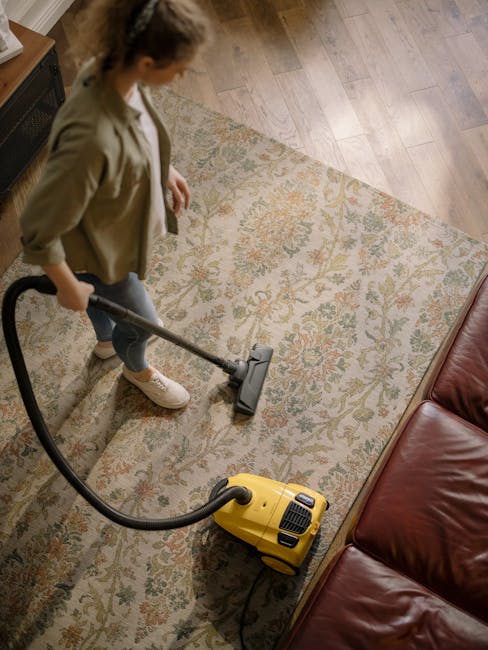
Sutton High Street SM1 carpet cleaning guide for landlords
If you let property in Sutton, you already know the small things can cause the biggest headaches. A tired hallway carpet, a faint pet smell, a coffee stain that seems to have made itself at home for good - these are the details tenants notice, and so do incoming landlords, letting agents, and sometimes deposit check-out reports. This Sutton High Street SM1 carpet cleaning guide for landlords is here to make the process simpler, calmer, and a lot less guessy. We'll cover what matters, how to plan the clean, what results to expect, and how to avoid the sort of mistakes that turn a routine turnover into a grumpy afternoon.
Whether you manage one flat above the shops or several rental homes near Sutton High Street, the goal is the same: present carpets that look cared for, smell fresh, and stand up to inspection. Not perfect. Just properly looked after.
Table of Contents
- Why Sutton High Street SM1 carpet cleaning guide for landlords matters
- How the carpet cleaning process works
- Key benefits and practical advantages
- Who this is for and when it makes sense
- Step-by-step guidance
- Expert tips for better results
- Common mistakes to avoid
- Tools, resources and recommendations
- Law, compliance, standards and best practice
- Options, methods and comparison table
- Case study or real-world example
- Practical checklist
- Conclusion
- Frequently asked questions
Why Sutton High Street SM1 carpet cleaning guide for landlords matters
Landlords don't usually need carpet cleaning because they enjoy it. They need it because carpets are one of the first things to show wear, and one of the easiest ways for a property to feel either well managed or, frankly, a bit neglected. In a busy area like Sutton High Street SM1, rental homes often see regular footfall, repeated tenancies, and the odd all-day rain-soaked commute. That all ends up in the fibres.
A proper clean matters for more than appearance. It can help reduce lingering odours, lift surface grime, improve the feel of the room, and support a smoother end-of-tenancy handover. If a carpet is visibly marked, tenants may see that as a sign the property hasn't been cared for. Incoming occupants pick up on that quickly. Sometimes before they've even put their keys in the bowl.
It also helps with property value over time. A carpet that's maintained sensibly tends to last longer than one left until it looks beyond rescue. And to be fair, a cheap fix today can become an expensive replacement later if stains are left to set or if moisture is handled badly.
Expert summary: For landlords, carpet cleaning is rarely just about hygiene. It's part presentation, part asset protection, and part tenancy management. Get it right and the property feels easier to let, easier to inspect, and easier to hand over.
If you also need broader turnover support, many landlords pair carpet care with end of tenancy cleaning or a wider deep cleaning service so the whole place feels consistent rather than only half-finished.
How Sutton High Street SM1 carpet cleaning guide for landlords works
The basic process is straightforward, but the details matter. A professional clean usually starts with inspection. That means checking fibre type, existing wear, visible stains, traffic lanes, and any risks such as loose seams, sensitive materials, or old patches that may react badly to heat or moisture.
Then comes preparation. Furniture is moved where agreed, loose dirt is removed, and stains are identified before treatment begins. This sounds obvious, but skipping it is how you end up rubbing a stain deeper into the pile. Not ideal.
After that, the method depends on the carpet and the condition of the room. For many rental properties, steam carpet cleaning is a strong option because it can reach deeper into the fibres and deal with general soiling well. In other cases, targeted stain removal is needed first, especially where tenants have left drink marks, ink, makeup, or food spillages.
Drying time is the bit landlords sometimes underestimate. A room can look clean but still be damp underfoot, which affects move-in timing. That matters if new tenants are arriving the same day. So the cleaning plan should always include drying expectations, ventilation, and a realistic handover window.
For flats and shared buildings, communal access can also affect scheduling. If you are coordinating multiple spaces or hallways, it may be worth reviewing communal area cleaning alongside the main carpet work.
Key benefits and practical advantages
Let's keep this practical. What do landlords actually gain?
- Cleaner first impressions: A fresh carpet sets the tone the moment someone walks through the door.
- Better tenant satisfaction: Tenants feel they are moving into a cared-for property, which helps trust.
- Reduced dispute risk: A documented clean can help when discussing wear, stains, or deposit-related issues.
- Longer carpet life: Routine maintenance can reduce the build-up that breaks fibres down over time.
- Improved odour control: Useful in properties where food smells, pets, smoke, or damp have lingered.
- Faster re-let readiness: A property that smells fresh and looks tidy is much easier to market.
There's also a subtle benefit people forget: confidence. When a landlord knows the carpet has been properly dealt with, the rest of the handover feels less tense. That calm matters.
If the property includes pets or past odour issues, pet stain and odour removal may be the difference between "fine" and "actually pleasant." And if the carpet sits alongside fitted furnishings, upholstery or curtains, you may want to consider upholstery cleaning or curtain cleaning at the same time so the room feels properly finished.
Who this is for and when it makes sense
This guide is aimed at landlords, portfolio owners, letting agents, and property managers dealing with residential rentals around Sutton High Street SM1. It's especially useful if you manage furnished flats, older rentals with heavier traffic, or properties that go through frequent tenant turnover.
It also makes sense if you are preparing for:
- an end-of-tenancy check-out
- a new tenancy start date
- mid-tenancy refresh work
- a post-repair or post-refurbishment reset
- an insurance-sensitive or odour-related issue
In some cases, a landlord assumes a carpet only needs cleaning when it is visibly filthy. Truth be told, that's often too late. A lighter, more regular approach usually gives better results and avoids the "why does this smell slightly damp?" conversation later on.
If your portfolio includes other property types too, the same provider may be able to support regular cleaning, move out cleaning, or even move in cleaning where the handover needs to be carefully coordinated.
Step-by-step guidance
Here's a sensible landlord-friendly process you can follow without turning it into a project plan from hell.
- Inspect the carpet room by room. Note stains, odours, worn patches, and any areas with heavy foot traffic such as hallways and living rooms.
- Photograph the condition first. Simple before photos help you compare results and keep a tidy record for tenancy administration.
- Decide what needs priority treatment. Spills, pet damage, and traffic lanes usually need attention before the full clean.
- Choose the right cleaning approach. For deeper soil and general refresh work, steam-based methods often work well. Delicate fibres may need more careful handling.
- Schedule the clean at the right time. Ideally after the property is empty, but before new tenants need access. A little breathing room helps drying.
- Clear the room as much as possible. Even small items create obstacles and can leave awkward missed patches.
- Check ventilation and drying. Open windows where safe, use airflow wisely, and avoid replacing furniture too soon.
- Review the result with the cleaner. Ask about remaining marks, permanent staining, or areas where improvement may be limited.
A useful rule of thumb: if a room looks good but still smells a bit stale, don't ignore it. Odour tells you more than appearance sometimes. Especially in older Sutton properties where carpets have seen several winters and one too many wet coats by the radiator.
Expert tips for better results
These are the little things that often separate an acceptable clean from a good one.
- Act on stains quickly. The longer a stain sits, the more likely it is to bond with the fibres.
- Don't over-wet the carpet. Too much moisture can slow drying and leave a musty smell.
- Ask what stain treatment is suitable. Not all stains should be attacked the same way. Some need gentle spotting before deep cleaning.
- Factor in property type. Ground-floor flats, pet-friendly lets, and high-traffic family homes usually need more attention than a low-use room.
- Combine services when it makes sense. A carpet clean often works best alongside house cleaning or a one-off cleaning visit if the property needs a broader reset.
One small but important tip: ask for the cleaner's honest view on whether a mark is removable or permanent. That conversation saves a lot of crossed wires. Nobody enjoys the optimism of "it'll definitely come out" when it really, really won't.
If the property has hard flooring in some rooms and carpet in others, it can help to coordinate with hard floor cleaning so the whole home feels balanced.
Common mistakes to avoid
Most landlord carpet problems are predictable. Which is annoying, because it means they are avoidable too.
- Leaving the clean until the last day. Drying time then becomes a nightmare.
- Using the wrong method for the fibre. A one-size-fits-all approach is risky.
- Ignoring odour because the carpet "looks fine". Looks can be misleading.
- Trying to hide stains with furniture. The problem still exists, and usually gets worse.
- Forgetting about hallways and stairs. These areas often show the most wear.
- Not checking for pet damage. Small accidents can linger in padding and underlayers.
Another classic mistake is cleaning the carpet but ignoring the rest of the room. A spotless carpet under dusty skirting boards and cloudy windows doesn't quite land. If you want the room to feel genuinely refreshed, pairing with window cleaning can make a surprising difference, honestly.
Tools, resources and recommendations
You do not need a van full of kit to make good decisions as a landlord. But you do need a basic system.
Useful tools and resources include:
- a pre-tenancy or check-out condition checklist
- a simple photo record for each room
- a note of any known stains or previous repairs
- a clear schedule for keys, access, and drying time
- a provider quote that spells out what is included and what is not
For landlord work, I'd also recommend keeping service decisions as simple as possible. If the property just needs a refresh before new tenants arrive, a carpet cleaning appointment may be enough. If the whole home needs attention, look at broader support such as domestic cleaning or end of tenancy cleaning.
If you are comparing quotes, make sure the same items are being compared. One cleaner may include spot treatment and moving light furniture; another may not. That difference can be the reason two prices look similar but deliver very different outcomes.
Law, compliance, standards and best practice
Landlords should treat carpet cleaning as part of sensible property management, not a box-ticking exercise. The exact legal position depends on the tenancy, inventory, and condition of the property, so it is wise to rely on the tenancy agreement, check-in/check-out records, and fair wear-and-tear principles rather than assumptions.
In practical terms, good practice usually means:
- keeping a dated record of carpet condition before and after cleaning
- being clear about what is normal wear and what is damage
- avoiding unrealistic expectations about older carpets
- using insured, appropriately trained cleaners where possible
- making sure cleaning products and methods suit the carpet type
Health and safety matters too, especially where moisture, slip risk, or access logistics are involved. If you want reassurance around working practices, it is sensible to look at a provider's health and safety policy and insurance and safety information. That does not make a room magically safer, of course, but it does show the basics are being taken seriously.
For landlords handling multiple properties or mixed-use buildings, cleaning is often just one part of the wider maintenance picture. Services like commercial cleaning or commercial carpet cleaning may also be relevant where common spaces or work-related premises are involved.
Options, methods and comparison table
Different carpet issues call for different methods. The right choice depends on fibre type, staining, drying time, and how soon the room is needed again.
| Method | Best for | Strengths | Watch-outs |
|---|---|---|---|
| Steam carpet cleaning | General landlord refresh, traffic lanes, deeper soil | Good all-round clean, strong on embedded dirt | Needs sensible drying time |
| Spot stain treatment | Specific marks, spills, isolated problems | Targets the issue directly | Not always enough on its own |
| Odour-focused treatment | Pet smells, stale air, lingering tenancy odours | Can improve the feel of the room quickly | May need follow-up ventilation or repeat work |
| Broader deep clean | Whole-property turnaround | Helps the carpet match the rest of the room | Usually takes longer and costs more |
As a landlord, the smartest option is often the one that fits the handover schedule rather than the one that sounds the most dramatic. A deep clean is great when the property really needs it. But sometimes a focused carpet clean plus light move in cleaning is the better business decision.
Case study or real-world example
Here's a realistic example from a typical Sutton High Street SM1 rental turnover. A two-bedroom flat had been let to a professional couple for just under two years. The carpets in the lounge and hallway were not badly damaged, but there were visible traffic lanes, one coffee spill near the sofa, and that slightly stale smell you notice when a room has been shut up for a week.
The landlord booked the clean after check-out and before viewings. First the cleaner identified the stain, tested the fibres, and treated the spill before the main clean. The hallway needed a more thorough pass because of constant foot traffic. The lounge improved a lot, especially around the sofa area. Drying time was managed with windows open and a modest gap before the next viewing.
What changed? The flat felt brighter. Not brand new, not magic, just much more presentable. The landlord also avoided the awkward moment of trying to explain away an old stain to the next tenant. Small victory. But a real one.
That is usually the point with landlord carpet cleaning: fewer surprises, fewer awkward conversations, and a smoother turnover overall.
Practical checklist
Use this checklist before, during, and after the clean.
- Confirm the tenancy end date and access time
- Inspect and photograph each carpeted room
- Mark visible stains, odours, and worn areas
- Remove loose items and small furniture where possible
- Check whether any pet-related treatment is needed
- Ask which cleaning method is planned
- Check drying time and ventilation advice
- Review whether any stains may be permanent
- Keep records for inventory or check-out notes
- Only replace furniture once the carpet is fully dry
If the property also needs other cleaning tasks, it can help to sequence them logically. For example, windows first, then carpets, then final dusting, then a last visual check. A little order goes a long way.
Conclusion
A well-planned carpet clean can make a Sutton rental look more cared for, feel more welcoming, and move from one tenancy to the next with far less friction. For landlords, that is the real value. Not perfection. Just readiness, consistency, and less stress when the keys change hands.
The key is to choose the right method, schedule it at the right time, and think beyond the carpet itself. Odour, drying, furniture placement, and the wider presentation of the property all matter. Once you start seeing carpet cleaning as part of your letting process rather than a last-minute chore, the whole thing becomes easier.
Get a free quote today and see how much you can save.
And if today's the day you finally sort out that hallway carpet, good on you. Future-you will be glad you did.
Frequently Asked Questions
How often should landlords clean carpets in Sutton High Street SM1 properties?
It depends on tenant turnover, foot traffic, and the condition of the property. Many landlords arrange cleaning between tenancies, while higher-use homes may need refresh work more often.
Is steam carpet cleaning suitable for rental properties?
Often, yes. Steam carpet cleaning is commonly used for rental carpets because it handles general dirt and traffic wear well. The main thing is to allow enough drying time before move-in or viewings.
Should I clean carpets before or after a tenant moves out?
Usually after the tenant has moved out and before new occupants arrive. That way, the cleaner has full access, and the result is ready for handover without disruption.
Can carpet cleaning help with deposit disputes?
It can help by improving the property condition and giving you clearer records of what has been done. It does not remove the need for fair wear-and-tear judgement, but it supports a cleaner handover.
What if the carpet has old stains that will not come out?
Some stains are permanent or only partly treatable. A good cleaner should explain this honestly rather than over-promising. That kind of clarity saves everyone a headache.
Do landlords need to clean every carpet in the property?
Usually the best approach is to clean all carpeted areas that have been used or inspected as part of the tenancy. Hallways, stairs, and living areas often need the most attention.
Is it worth combining carpet cleaning with other services?
Yes, if the property needs it. Many landlords combine carpet work with end of tenancy cleaning or other property refresh services to keep the turnover efficient.
How long does a carpet need to dry?
Drying time varies with method, airflow, room temperature, and carpet thickness. It is best to ask for guidance before the clean and avoid moving furniture back too early.
What should I ask a cleaner before booking?
Ask what method they will use, whether stain treatment is included, how long drying is likely to take, and whether they are insured. Those are the questions that really matter.
Can carpet cleaning remove pet odours?
It can improve or remove many odours, especially when paired with targeted treatment. Strong or long-standing pet smells may need specialised attention, not just a quick pass.
Is it better to use a regular cleaner or a specialist carpet cleaner?
For carpets, a specialist approach is usually better. A regular cleaner may be fine for general upkeep, but deeper stains, odours, and rental turnover work tend to benefit from carpet-specific methods.
What records should landlords keep after carpet cleaning?
Keep before-and-after photos, the date of cleaning, any notes on stains or limitations, and the invoice or service record. It is a simple habit, but very useful later on.